
Ford Truck Beds for Sale
Ford truck beds play a critical role in the functionality and versatility of Ford trucks. These components not only serve as the backbone for transporting goods and equipment but also contribute significantly to the overall performance of the vehicle. The design and size of truck beds can vary greatly, depending on the specific model and the intended use, making it essential for owners to choose the right bed that meets their needs.
Durability is a key factor when considering Ford truck beds. Constructed from high-quality materials, these beds are designed to withstand heavy loads and harsh conditions, providing reliability for everyday use as well as for specialized applications. Whether it is hauling materials for a construction project or transporting recreational items, Ford truck beds are built to endure the demands of various tasks.
In addition to durability, Ford truck beds come in a range of sizes and configurations. This variety ensures that truck owners can find a bed that perfectly complements their vehicle and usage requirements. For instance, short beds are often favored for urban environments, allowing easier maneuverability, while long beds are ideal for those needing to carry larger items. The right truck bed size can significantly enhance both the functionality and utility of a Ford truck.
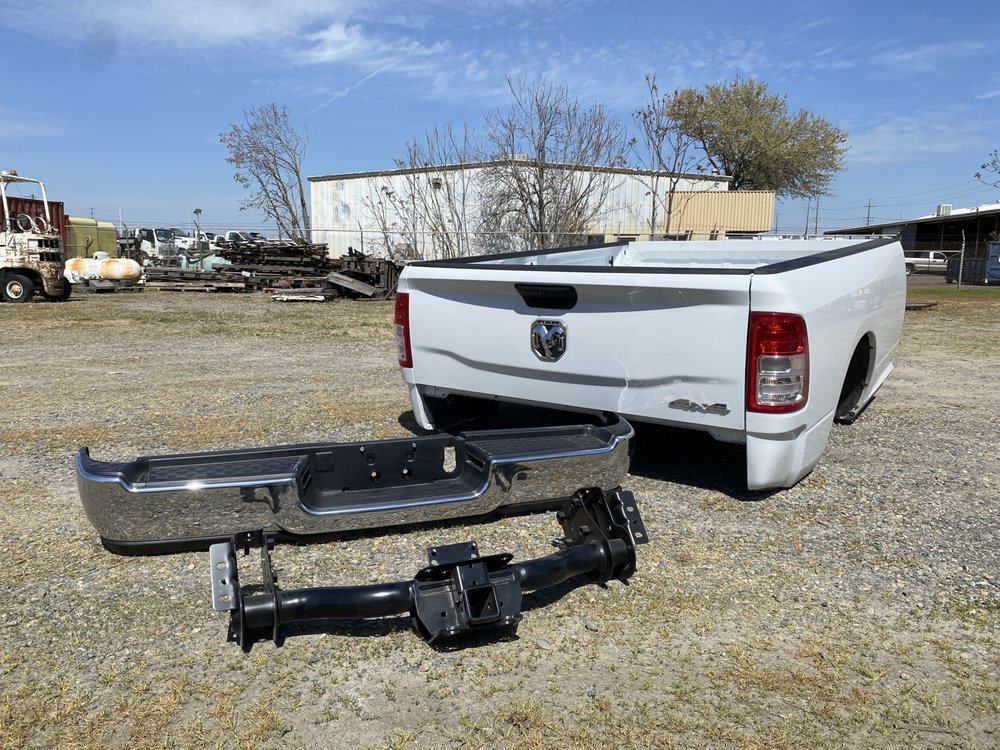
Furthermore, Ford truck beds are equipped with various features tailored to different needs. From toolboxes and tie-down points to integrated ramps, these options enhance efficiency and organization. Such features can also increase the versatility of the truck, making it suitable for numerous applications ranging from work-related tasks to recreational activities.
In conclusion, understanding the significance of Ford truck beds is essential for current and prospective truck owners. The combination of durability, size options, and practical features makes these components invaluable, ensuring that Ford trucks can handle a wide range of tasks effectively.
Types of Ford Truck Beds Available
When it comes to Ford trucks, choosing the right bed type is essential for meeting specific needs and use cases. Generally, Ford truck beds can be categorized into three primary types: short beds, standard beds, and long beds. Each type has unique specifications, advantages, and is best suited for particular uses.
Short Beds, typically measuring around 5.5 to 6.5 feet in length, are ideal for urban environments where maneuverability is key. These beds are designed for towing lighter loads and are often chosen by those who prioritize a compact truck design. For individuals who engage in recreational activities, such as camping or biking, short beds provide ample space for storing gear while still being able to navigate crowded city streets with ease.
Standard Beds usually span between 6.5 and 7.5 feet. They strike a balance between cargo capacity and maneuverability, making them a preferred choice for many tradespeople and contractors. Standard bed trucks can comfortably carry tools and equipment while remaining manageable in various driving conditions. The versatility offered by standard beds makes them suitable for both work and play.
Long Beds are the most spacious option, often exceeding 8 feet in length. They are particularly advantageous for individuals requiring significant cargo space for hauling large loads, such as construction materials or recreational vehicles. Long beds are favored by those in the trucking industry and by individuals who frequently transport large items. However, they may not be ideal for everyday city driving due to their bulkiness.
In summary, each type of Ford truck bed—short, standard, and long—caters to different needs and preferences. By understanding the specifications and advantages of each bed type, potential buyers can make informed decisions that align with their personal or professional demands.
Materials Used in Ford Truck Beds
When considering Ford truck beds for sale, understanding the materials used in their construction is essential. The most common materials include aluminum, steel, and composite options, each presenting unique advantages and drawbacks for potential buyers.
Aluminum truck beds are increasingly popular due to their lightweight nature, which enhances fuel efficiency. This material is also resistant to rust, making it ideal for users in diverse climates. The durability of aluminum ensures that these truck beds can withstand significant wear and tear, making them suitable for various heavy-duty applications. Furthermore, aluminum truck beds often have better corrosion resistance, which contributes to a longer lifespan.
On the other hand, steel truck beds offer greater strength and are often more affordable than their aluminum counterparts. Steel is renowned for its toughness, providing enhanced load capacity, which is crucial for users who frequently transport heavy materials. However, one should consider the potential for rust, as steel requires proper maintenance and protective coatings to prevent deterioration. The strength of steel truck beds makes them a preferred choice for those requiring extreme durability and reliability in their work.
Composite truck beds, made from a combination of materials, are a relatively newer option available in the market. These beds aim to combine the benefits of both aluminum and steel beds, offering a lightweight structure with improved impact resistance. Moreover, composite options are designed to be resistant to rust and corrosion, providing an alternative for buyers looking for a maintenance-free experience.
In conclusion, selecting the right material for Ford truck beds depends on the buyer’s specific needs and preferences. By weighing the benefits of aluminum, steel, and composite options, customers can make a more informed decision when investing in a truck that meets their requirements.
Aftermarket vs. OEM Ford Truck Beds
When it comes to upgrading or replacing Ford truck beds, consumers are often faced with the choice between aftermarket options and original equipment manufacturer (OEM) products. Each option carries its own set of advantages and disadvantages that can significantly influence a buyer’s decision.
OEM Ford truck beds, designed specifically for Ford vehicles, ensure a perfect fit and often uphold the highest quality standards set by the manufacturer. They are typically made from the same materials and adhere to the same specifications as the original components, which can enhance both the aesthetic and functional aspects of the truck. Furthermore, OEM parts usually come with a warranty that guarantees the product’s performance and durability. While these benefits sound appealing, the cost of OEM truck beds can be significantly higher than aftermarket alternatives, which may not be suitable for all budgets.
On the other hand, aftermarket Ford truck beds offer a wider variety of styles, features, and price points, making them an attractive option for many buyers. These beds can be found in various materials, including aluminum and fiberglass, and may come with customizable options to fit specific needs. While aftermarket beds often come at a lower cost, buyers should consider the quality and reliability of the brand they choose, as not all aftermarket products are created equal. Warranty coverage for these beds can vary widely, which necessitates a careful review of the terms before purchase.
Ultimately, the decision between aftermarket and OEM Ford truck beds will depend on factors such as budget, desired features, and individual preferences regarding quality and fit. It is advisable for potential buyers to thoroughly research both options, weigh their pros and cons, and assess their compatibility with their specific Ford truck model before making a final decision.
Finding Ford Truck Beds for Sale
When searching for Ford truck beds, potential buyers have a variety of platforms and venues at their disposal. Familiarizing oneself with these options can lead to the successful acquisition of a suitable truck bed that meets both utility and aesthetic requirements.
One of the primary sources for finding Ford truck beds for sale is through authorized dealerships. These establishments often carry new and used parts, along with model-specific truck beds that align with manufacturer standards. Commissioning a visit to a local dealership can provide firsthand insight into available inventory and pricing options, as well as the opportunity to inquire about warranties and service packages.
Online marketplaces have gained substantial popularity in recent years, presenting a convenient method to browse an extensive array of truck beds. Websites such as eBay, Craigslist, and Facebook Marketplace allow users to filter their search by location, condition, and price. It is advisable to heed buyer reviews and seller ratings to ensure a reliable purchasing experience. Additionally, utilizing search engine optimization techniques, such as including terms like ‘Ford truck beds for sale near me’ or ‘affordable Ford truck beds,’ can yield beneficial results.
Salvage yards and auto recyclers represent another valuable resource for individuals seeking Ford truck beds. Often, these yards feature a wide selection of parts at a fraction of the retail cost. However, inspecting the condition of the truck bed thoroughly is essential, as it may require repairs or modifications. Building a rapport with local salvage yard personnel can uncover hidden inventory and access to exclusive deals.
Finally, classified ads in community newspapers or online classifieds can also yield hidden gems. Regularly checking these ads can uncover unique offers on truck beds that may not be widely advertised elsewhere. By employing a comprehensive approach and utilizing a combination of these platforms, buyers can effectively identify reliable sources of Ford truck beds for sale, ensuring a fruitful purchase experience.
Factors to Consider When Buying a Ford Truck Bed
When considering the purchase of a Ford truck bed, several crucial factors demand attention to ensure a satisfactory and functional investment. First and foremost is compatibility with specific Ford truck models. Different models, including the F-150, F-250, and F-350, feature diverse specifications and dimensions. It is essential to determine whether the bed you are considering is compatible with your specific model year to avoid any unnecessary modifications or complications during installation.
Another significant factor is the condition of the truck bed, which can be either new or used. New truck beds typically come with warranties and are free from wear and tear, whereas used beds may exhibit signs of previous usage such as dents, rust, or scratches. Buyers should thoroughly examine used options and consider their intended use, as a bed that shows signs of extensive wear may not be suitable for heavy-duty applications.
Price ranges also play a critical role in the decision-making process. Ford truck beds come in various price points based on factors such as age, condition, and features. Setting a budget prior to shopping can help narrow down options and prevent overspending. Additionally, researching typical prices for both new and used truck beds allows potential buyers to identify fair market value.
Finally, necessary modifications should be a consideration. Depending on the specific features or customizations desired, such as bed liners, toolboxes, or mounting options, there may be alterations required for a proper fit. Understanding potential modifications will aid in assessing additional costs associated with the purchase. By contemplating these factors, prospective buyers can ensure they acquire the most suitable Ford truck bed for their needs.
Installation Tips for Ford Truck Beds
Installing a Ford truck bed can be a rewarding yet challenging task. Whether you’re replacing a damaged bed or upgrading to a more functional model, understanding the necessary tools, procedures, and safety precautions is critical for a successful installation. First, ensure you have the right tools at hand: a socket wrench set, torque wrench, ratchet, and possibly a pry bar. Additionally, having a friend to assist can make the process smoother, especially when handling heavy components.
Begin the installation by removing the old bed. This typically involves disconnecting the wiring for tail lights and other electrical components, if applicable. Use the socket wrench to remove the bolts securing the truck bed to the frame. Once all bolts are removed, carefully lift the old bed off, taking special care to protect any surrounding areas of the truck from scratches or dents.
Next, prepare the area where the new bed will sit. Inspect the frame for any signs of rust or damage, ensuring it is clean and free from debris prior to installation. When positioning the new Ford truck bed, align it with the frame holes for the bolts and gently set it in place. This often requires assistance to ensure it is properly aligned and does not damage any peripheral components.
After securing the bed with bolts, it is essential to follow the manufacturer’s specifications for torque settings. This ensures that the bed is safely and securely fitted. At this stage, reattach any electrical components, such as tail lights, ensuring all connections are firm and free of corrosion. To finalize, perform a thorough inspection to confirm everything is properly secured and functional, reducing potential issues in the future.
In conclusion, taking the time to follow these installation tips can make the process more manageable and ensure your Ford truck bed is both functional and secure, whether you choose to undertake the task yourself or hire a professional to assist.
Maintenance and Care for Ford Truck Beds
Maintaining a Ford truck bed is essential to extend its longevity and preserve its functionality. Regular care can prevent common issues such as rust, scratches, and dents that significantly affect both the aesthetics and performance of the truck. One of the primary steps in maintaining a truck bed is regular cleaning. It is advisable to wash the truck bed frequently, especially after transporting potentially damaging materials like dirt, gravel, or chemicals. Using a mild detergent and a soft brush can effectively remove debris and residues without scratching the surface.
Rust is a common concern for truck beds, particularly for those exposed to harsh conditions. To prevent rust formation, it is vital to ensure the truck bed is promptly dried after washing. Applying a protective wax or sealant can create a barrier against moisture and contaminants. Additionally, inspecting the truck bed for scratches, dents, or chips in the paint is crucial, as these imperfections can expose the metal beneath and accelerate rusting. If any damage is discovered, it should be repaired immediately using touch-up paint or appropriate sealants.
For truck beds equipped with accessories, such as liners or covers, maintaining these items is also essential. Truck bed liners, for instance, should be inspected for signs of wear and tear. Regularly cleaning and reapplying protective coatings can enhance durability. Furthermore, ensuring that any modifications do not compromise the integrity of the truck bed is necessary for prolonged usability.
In conclusion, by implementing consistent maintenance practices, such as thorough cleaning, rust prevention, and timely damage repair, owners can effectively preserve their Ford truck beds, ultimately prolonging their lifespan and ensuring optimal functionality. Such diligence not only enhances the performance but also maximizes the resale value of the vehicle.
Conclusion: Making the Right Choice for Your Ford Truck
In the journey of selecting the ideal Ford truck bed, it is essential to assess your specific requirements thoroughly. Ford truck beds are available in various styles, materials, and sizes, each designed to cater to different needs and preferences. Whether you prioritize functionality, durability, or aesthetic appeal, the expansive selection of Ford truck beds for sale ensures that there is an option suited for every owner.
As discussed throughout this guide, consider factors such as the primary use of your truck, whether for work or leisure, and how much capacity you need to accommodate your lifestyle. Additionally, it is beneficial to examine the compatibility of the truck bed with your specific Ford model. Consulting with knowledgeable suppliers or dealers can provide invaluable insights, helping you make an informed choice based on both quality and cost.
Moreover, exploring aftermarket options or customizations can enhance your truck’s functionality or appearance. Many manufacturers offer additional accessories that can optimize the usability of your Ford truck bed, such as toolboxes, bed liners, or cargo management systems. This versatility adds considerable value, allowing you to tailor your truck to fit your unique needs.
In conclusion, making the right decision about your Ford truck bed involves careful evaluation of your requirements, thorough research, and an understanding of the available options. By weighing these considerations, you ensure that your investment not only meets your expectations but also enhances your overall truck ownership experience. Feel free to explore the array of Ford truck beds for sale and make a choice that aligns with your lifestyle and functional needs.
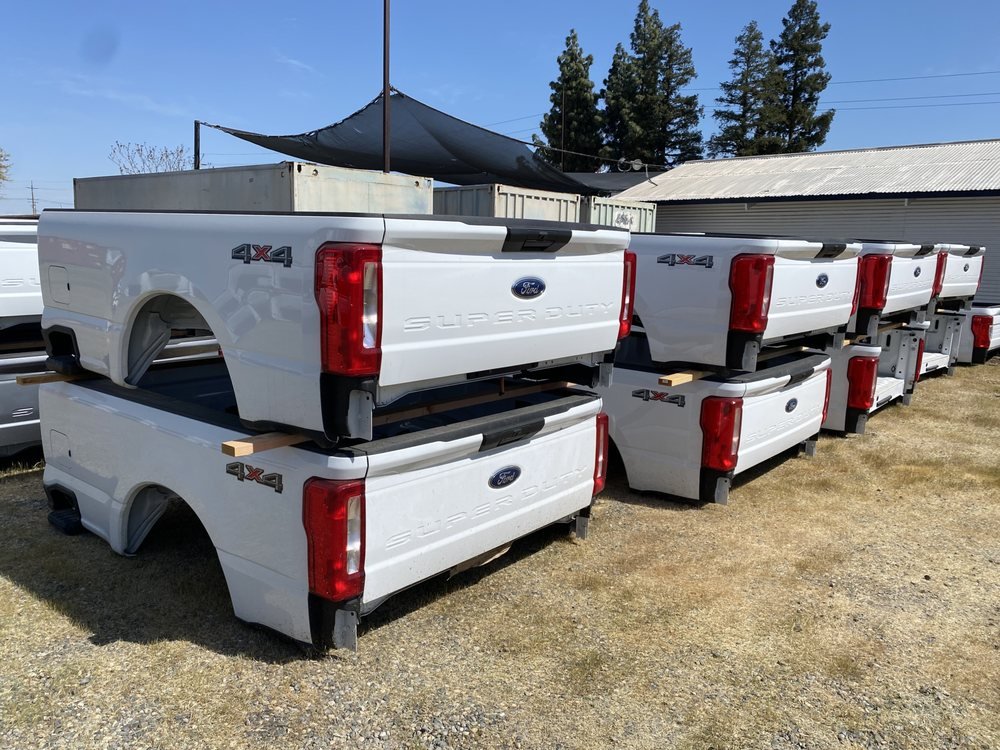
If you’re searching for ford truck beds for sale, you’re likely looking to replace a damaged bed or upgrade your truck’s cargo capacity. Truck beds are one of the most important components of a pickup, designed to handle hauling, transport, and heavy-duty work.
Ford trucks such as the F-150, F-250, and F-350 Super Duty come with different bed configurations, including short beds, standard beds, and long beds. Each option is designed for specific needs. Short beds (around 5.5 to 6.5 feet) are easier to maneuver, while long beds (typically 8 feet) provide maximum cargo space for heavy-duty applications.
There are several types of ford truck beds for sale available:
OEM truck beds
OEM (Original Equipment Manufacturer) beds are factory-built to match Ford specifications. They ensure perfect fitment with the frame, compatibility with wiring systems, and proper alignment with tailgates and lighting components. OEM beds are ideal for restoring your truck to original condition.
Used truck beds
Used beds are a cost-effective option and are commonly sourced from donor vehicles. Many are still in good structural condition and may include rails, mounts, and other components. This makes them a practical solution for budget-conscious buyers.
New take-off beds
These are nearly new beds removed from brand-new trucks during customization. They offer OEM quality at a lower price than dealership parts and are usually in excellent condition.
When choosing ford truck beds for sale, compatibility is extremely important. Ford trucks have different generations and body styles, meaning beds are not always interchangeable. For example, newer aluminum-body F-150 beds (2015+) differ significantly from older steel-body models.
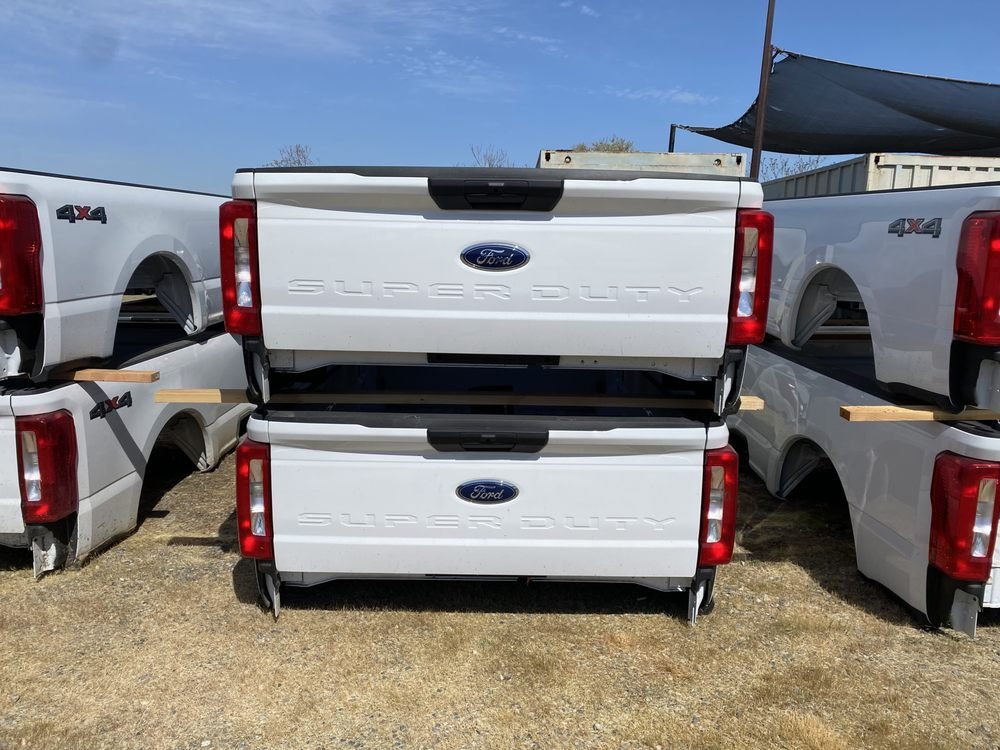
Durability is another key factor. Ford truck beds are typically made from high-strength steel or military-grade aluminum. Steel beds are known for toughness and heavy-duty use, while aluminum beds are lighter and resistant to rust, making them ideal for long-term durability.
Truck beds are essential for transporting tools, equipment, and materials. They are widely used in construction, agriculture, and everyday driving. Choosing the right bed ensures your truck remains functional and capable of handling your workload.
Buying ford truck beds for sale online or from salvage yards gives you access to OEM, used, and take-off options at different price levels. Whether you’re replacing a damaged bed or upgrading your truck, a quality truck bed restores performance, durability, and value.
ford truck beds for sale, ford pickup bed for sale, f150 truck bed for sale, f250 truck bed for sale, f350 truck bed for sale, oem ford truck bed, used ford truck bed for sale, ford bed replacement, ford cargo bed for sale, short bed ford truck, long bed ford truck, 8ft ford truck bed for sale, aluminum ford truck bed, steel ford truck bed, buy ford truck bed online
